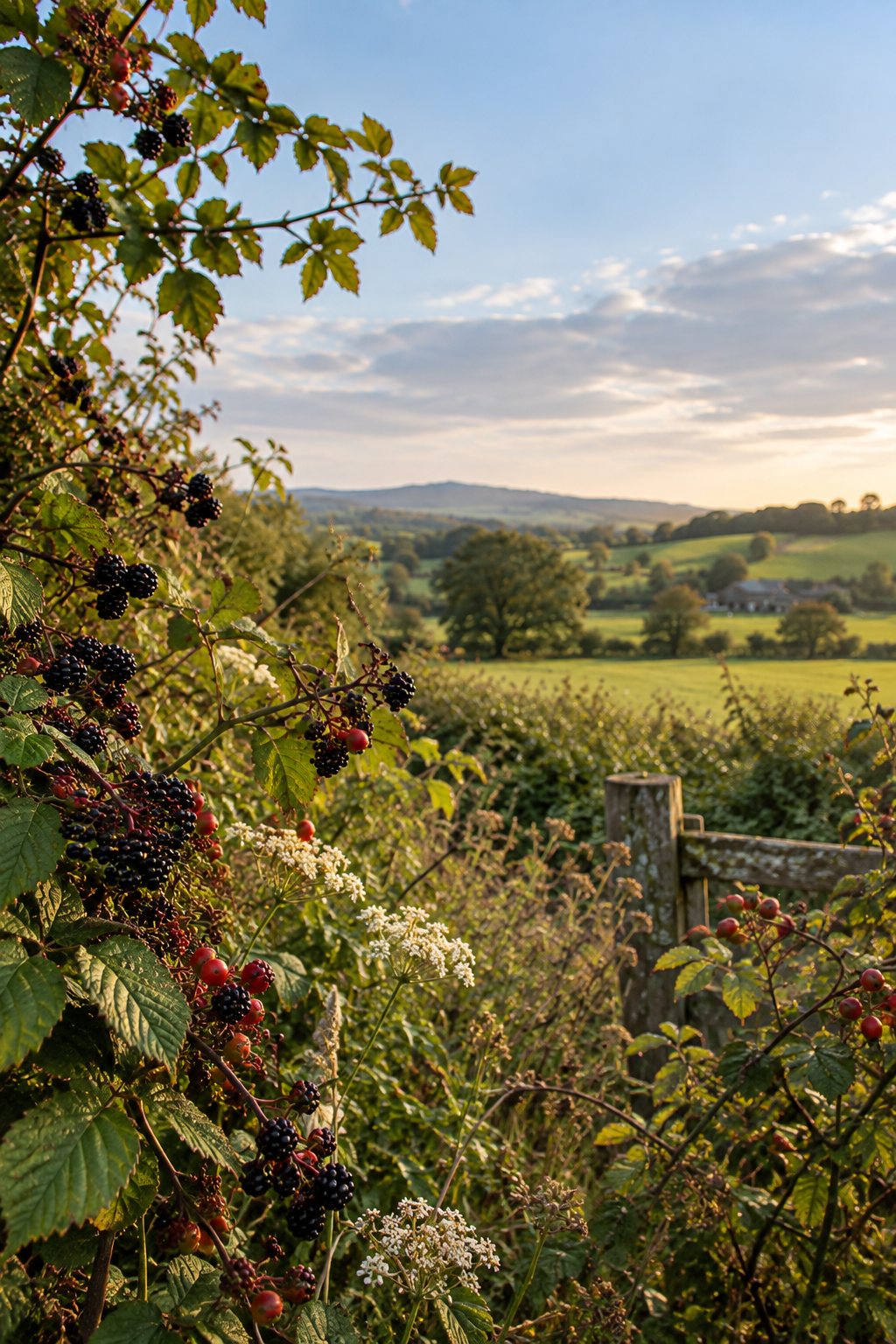
The Hedgerow Larder
Not everything in our preserves comes from a carefully planned bed or border. Some of it grows wild along our hedgerows, just as it always has, and most people have never had the chance to get to know it. We'd love to introduce you.
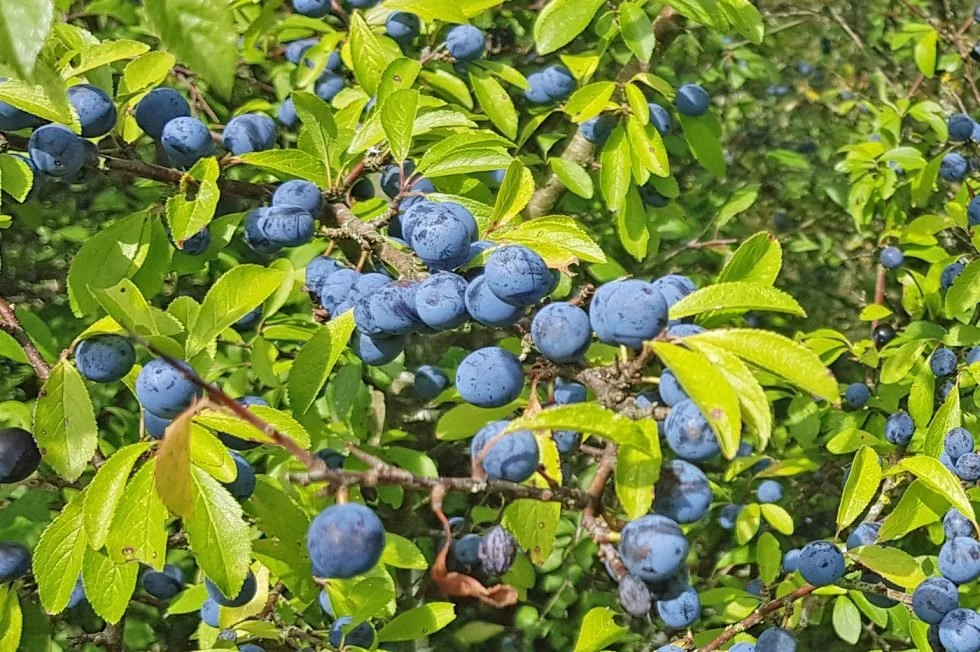
Sloe
The fruit of the blackthorn, and the reason for one of the oldest rules in the countryside kitchen: leave them until after the first frost, or they'll be too sharp to use. Best known for sloe gin, sloes have been gathered from British hedgerows for centuries too tart to eat raw, but exactly right for slow-cooking into something worth waiting for.
Featured in our Sloe & Apple Jelly and Bullace, Sloe & Apple Jelly
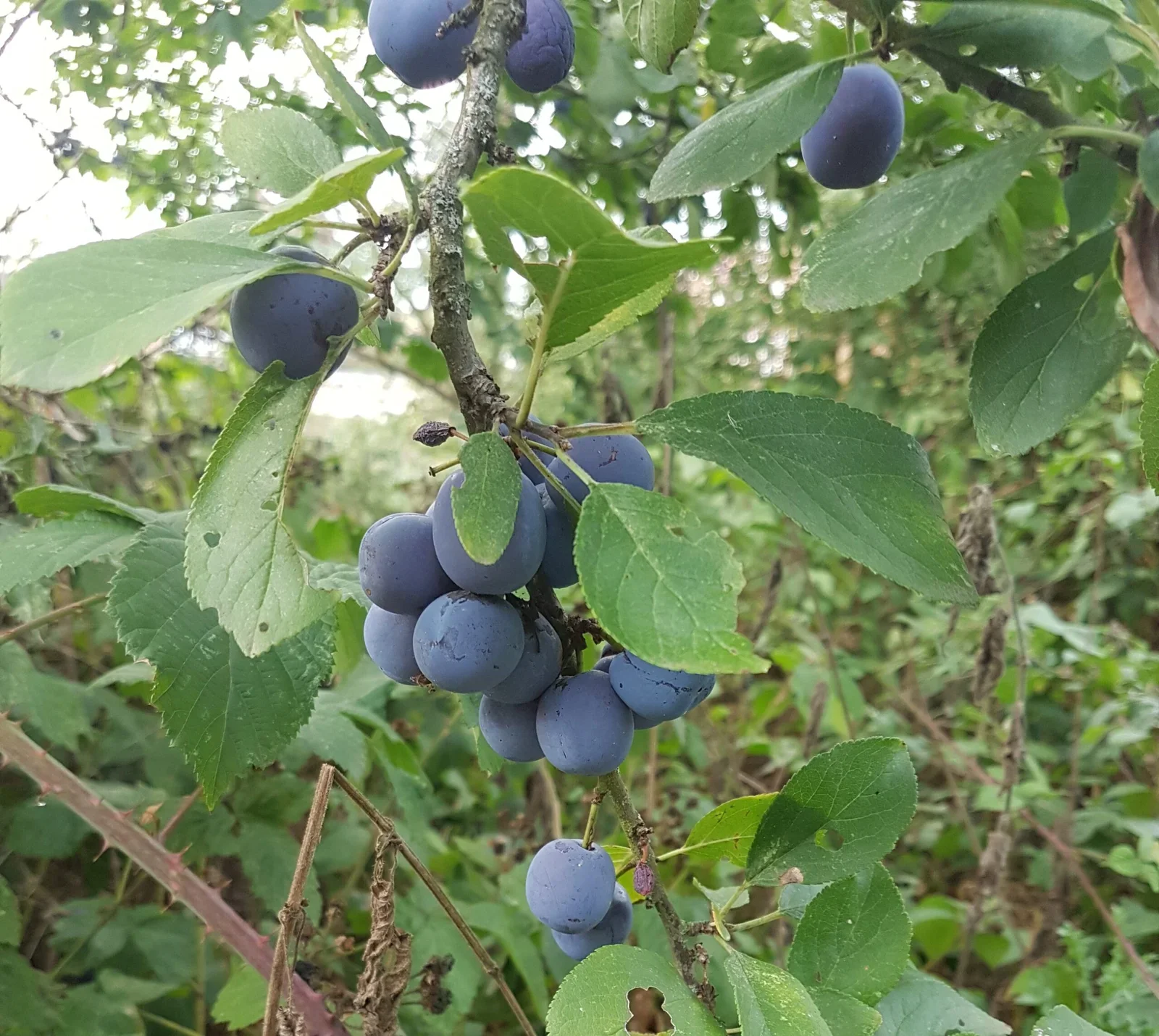
Bullace
Most people walk straight past bullace without knowing what it is — a small, dark wild plum tucked deep in the hedgerow, often growing right alongside its more famous cousin, the sloe. It's rarely sold anywhere, because it isn't grown commercially; it simply exists, quietly, in hedges like ours, waiting for someone to notice it.
Featured in our Bullace, Sloe & Apple Jelly
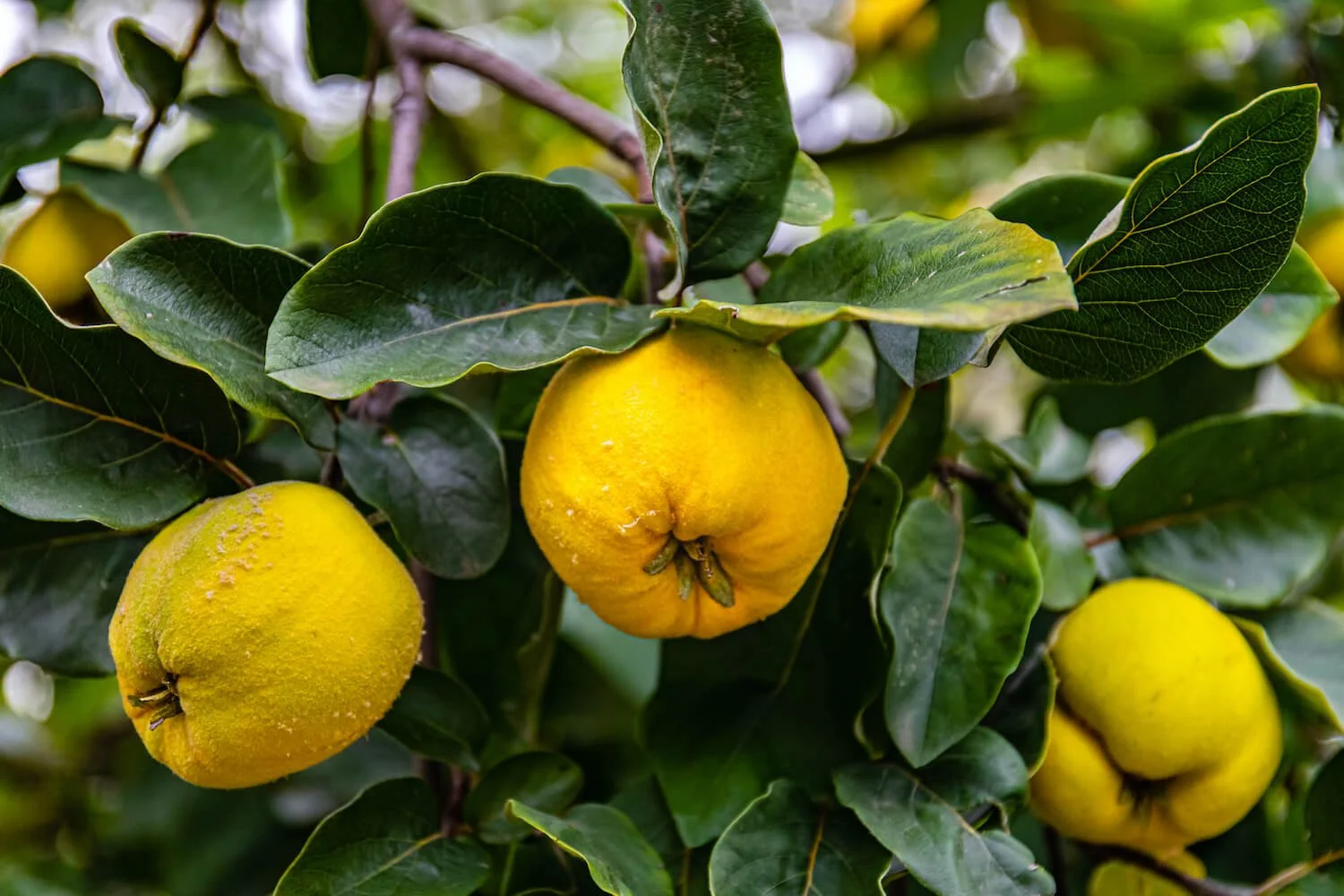
Quince
Knobbly, oddly-shaped and fiercely fragrant, the quince is one of the oldest cultivated fruits in the world, some say older than the apple itself, yet it's all but vanished from modern kitchens because it can't be eaten raw. It has to be cooked, slowly, before it gives up its flavour. Ours come from our own orchard.
Featured in our Quince & Crab Apple Jelly
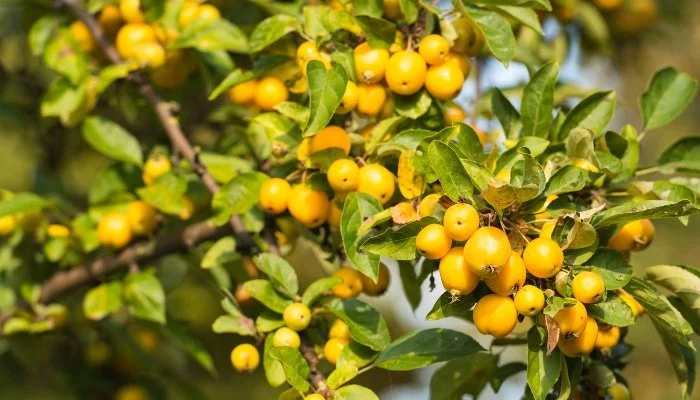
Crab Apple
For centuries, the crab apple's job was to work quietly in the background, the natural source of pectin that helped other, less cooperative fruits set properly. It's rarely allowed to be the main event. We think it deserves better.
Featured in our Crab Apple Jelly, Quince & Crab Apple Jelly and Hedgerow Jelly.
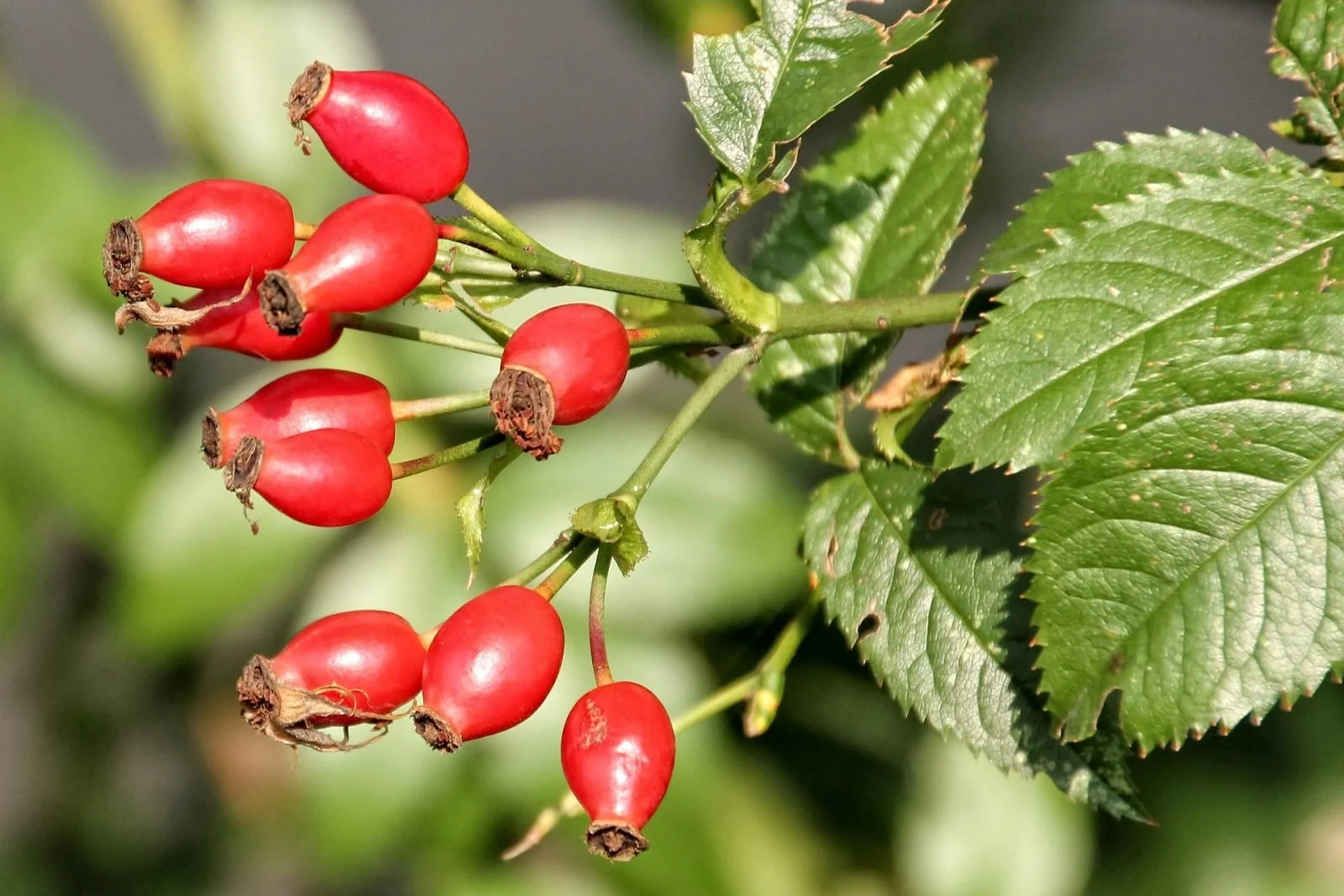
Rosehip
The fruit left behind once a wild rose has finished flowering, small, bright red, and easy to miss unless you know to look for it in early autumn. Country tradition made good use of rosehips long before shops sold fruit out of season and they bring a distinctive tang you won't find in any cultivated fruit.
Featured in our Hedgerow Jelly and Rosehip & Apple Jam.
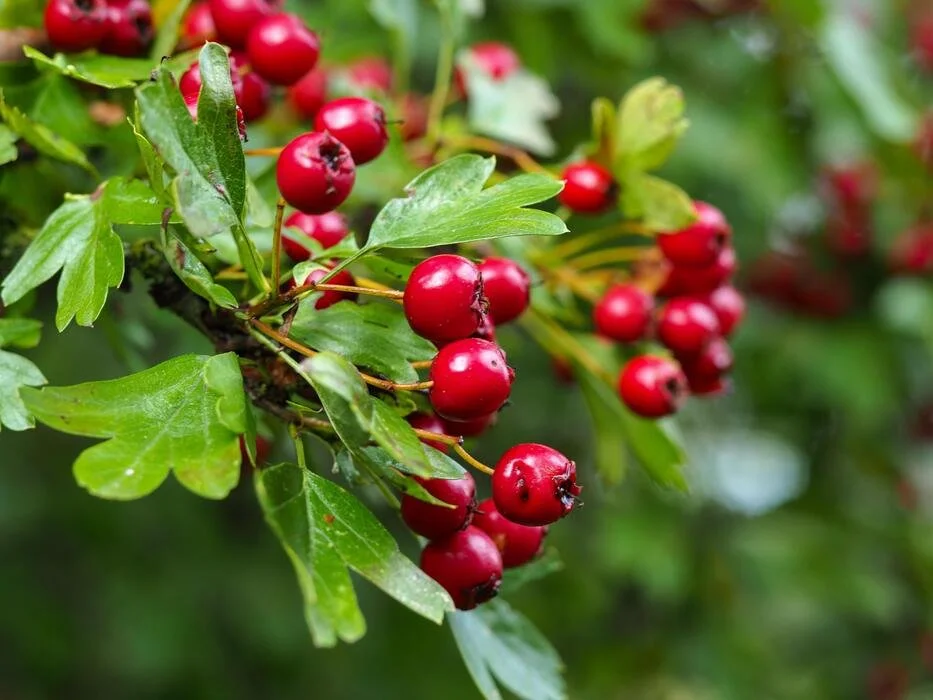
Hawthorn
Known in the countryside simply as "the May tree," for the month its blossom arrives, hawthorn marked the changing of the seasons long before calendars did much of that job. Its small red haws, ready in autumn, were traditionally too dry and mealy to eat raw but were slow-cooked into jellies and fruit "ketchups" by country cooks who wasted nothing the hedgerow offered. It's one of the most common hedgerow trees in Britain — and one of the most overlooked.
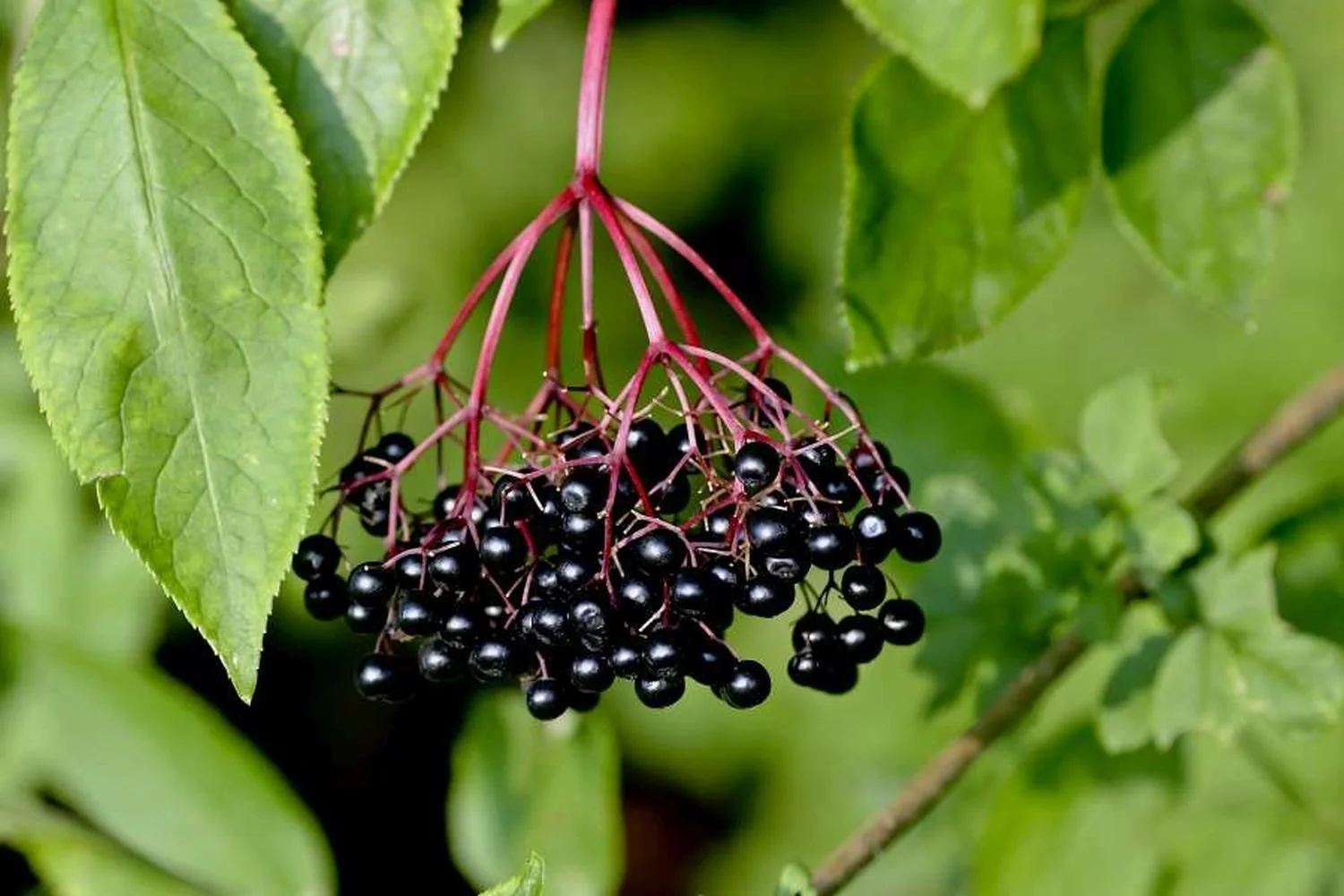
Elderberry
Elder is one of the most storied trees in the British countryside. Country folklore held that you should never cut one down without asking its permission first, out of respect for the "Elder Mother" said to live within it. Practically speaking, it's given generations of country kitchens two harvests a year: the flowers in early summer, gathered for cordial, and the small dark berries in autumn, traditionally simmered into wine, syrup and preserves. Ours grows wild along the farm boundary, exactly where it's grown for longer than anyone can say.